What is the hero’s journey: a history and overview
In 1949, Joseph Campbell published The Hero with a Thousand Faces and gave a name to a pattern that storytellers had been using, unconsciously, for thousands of years. He called it the monomyth: a single deep structure underlying the surface variety of the world's myths, from Gilgamesh to the Buddha to the gospels.
The shape of the pattern
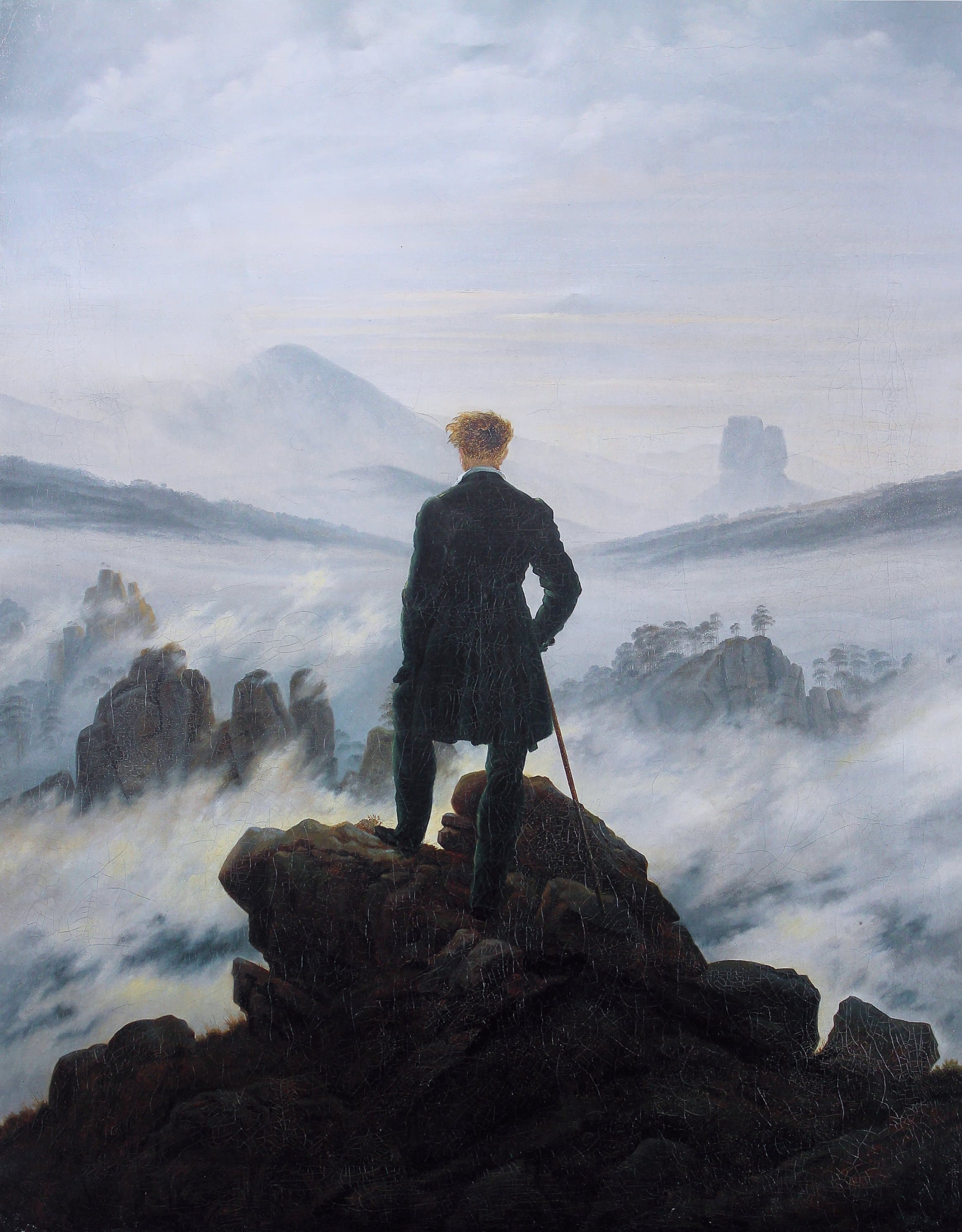
The hero begins in an ordinary world, receives a call to adventure, and initially refuses it. They cross a threshold into an unknown world, face trials, meet allies and enemies, and eventually confront a supreme ordeal. They seize a reward, return across the threshold transformed, and bring something back that heals the world they left.
Stated this baldly, it can sound like a formula, and in the hands of lesser storytellers it becomes one. But the pattern endures because it maps onto something real about how humans change: we do not transform in comfort. We transform by leaving what we know, suffering in the unknown, and returning as someone who could not have existed before the journey.
The cave you fear to enter holds the treasure you seek.
— Joseph Campbell
That is why the structure refuses to die. It is not a marketing template. It is a description of the only route by which a person actually becomes someone new.