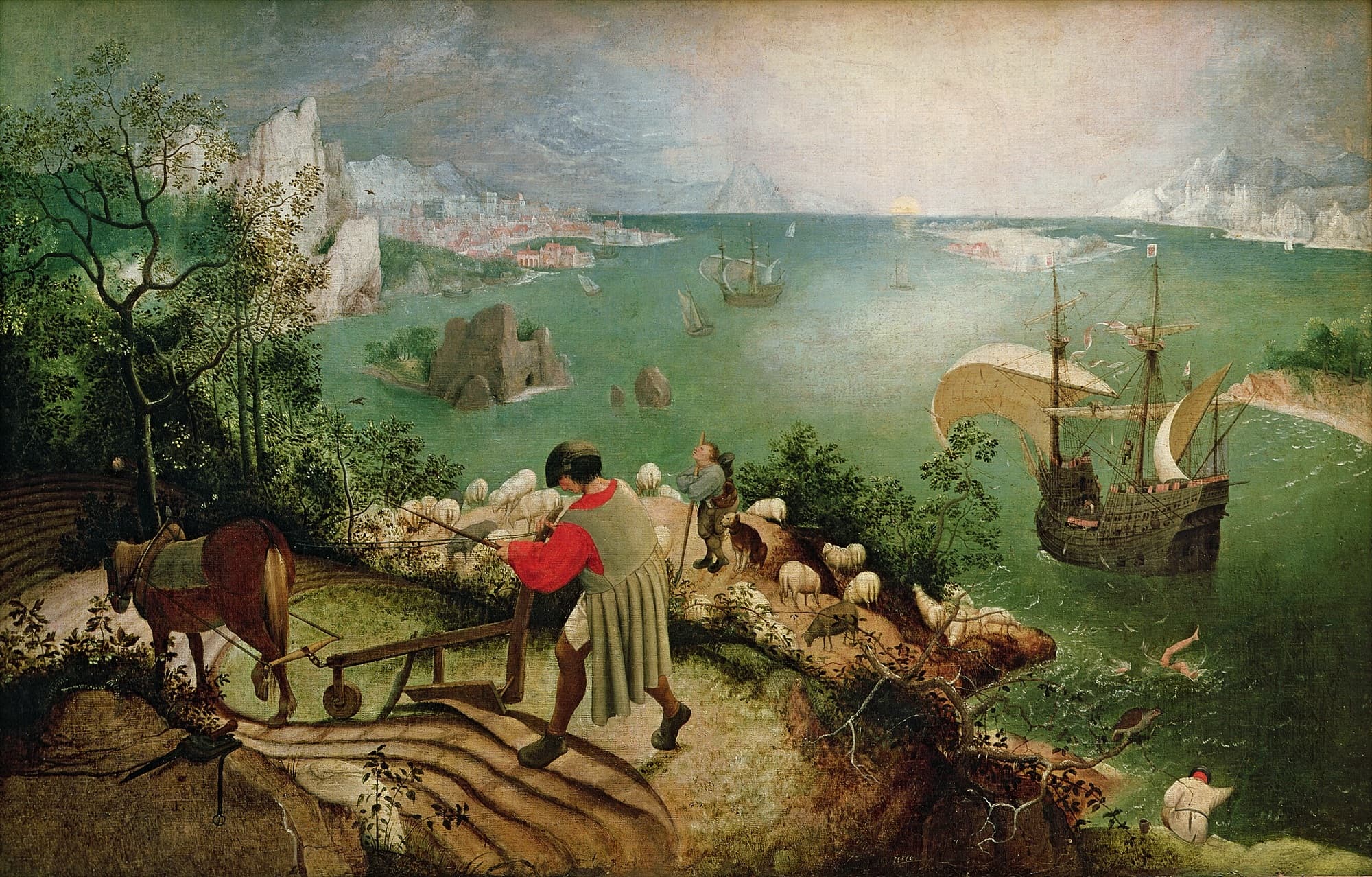
Retardmaxxing & failing fast
There is a particular kind of person who refuses to try anything until they are sure they will be good at it. They read the book but never open the editor. They watch the tutorial twice and take notes and still do not ship. They are, in the most literal sense, protecting an image of themselves that has never been tested.
I want to argue for the opposite posture. Call it retardmaxxing: deliberately optimizing for the state of not-knowing, being willing to be the dumbest person in the room, asking the obvious question, and shipping the embarrassing first version. It is a joke name for a serious idea, which is that competence is downstream of a very large number of small, cheap failures.
The cost of looking smart
Every hour you spend appearing competent is an hour you are not spending becoming competent. These are genuinely different activities, and they often trade off against each other. The person who guards their reputation asks fewer questions, takes fewer swings, and shows fewer drafts. Their public error rate is low. Their learning rate is also low.
If you are not embarrassed by the first version of your product, you have launched too late.
— Reid Hoffman
The insight generalizes past products. If you are not a little embarrassed by your first attempt at anything, you waited too long to start. The embarrassment is not a bug in the process. It is the toll you pay for information, and it is remarkably cheap relative to what it buys you.
Failing fast is a search strategy
Think of skill as a landscape you are trying to climb. You cannot see the whole map from where you stand; you can only feel the slope under your feet. The only way to find the steep, fast paths is to take a step and notice whether the ground rose or fell. A failure is just a step that told you the ground fell. It is information, delivered quickly and at low cost, about where not to go next.
The people who improve the fastest are not the ones who take the correct step every time. They are the ones who take the most steps per unit time and pay attention to the feedback. Speed of iteration beats quality of iteration, because quality compounds out of quantity and quantity does not compound out of quality.
How to actually do it
Lower the stakes of any individual attempt until trying becomes almost free. Ship the ugly draft to one friend instead of the polished version to the world. Ask the question in the small channel before the all-hands. Build the throwaway prototype before the real architecture. Make the loop so tight and so cheap that failing costs you almost nothing except the momentary sting of being wrong in front of someone.
Then do it again, immediately, before the sting has faded and before your ego has time to reassemble its defenses. The goal is not to fail for its own sake. The goal is to make the price of information so low that you can afford to buy an enormous amount of it, and to let that purchased information carry you, step by cheap step, up the slope.